
Sustainability:
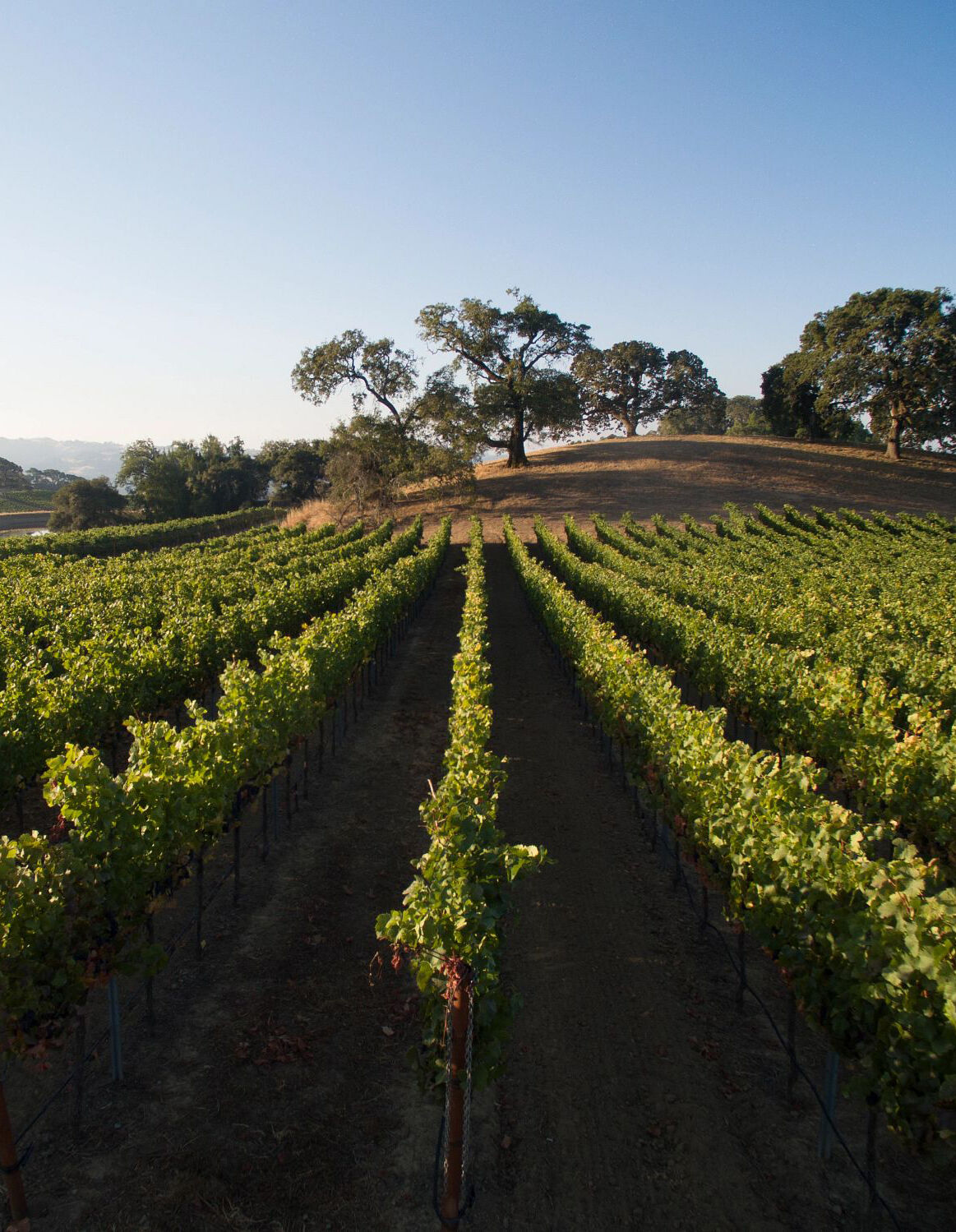
Farming to Reveal Vineyard Character
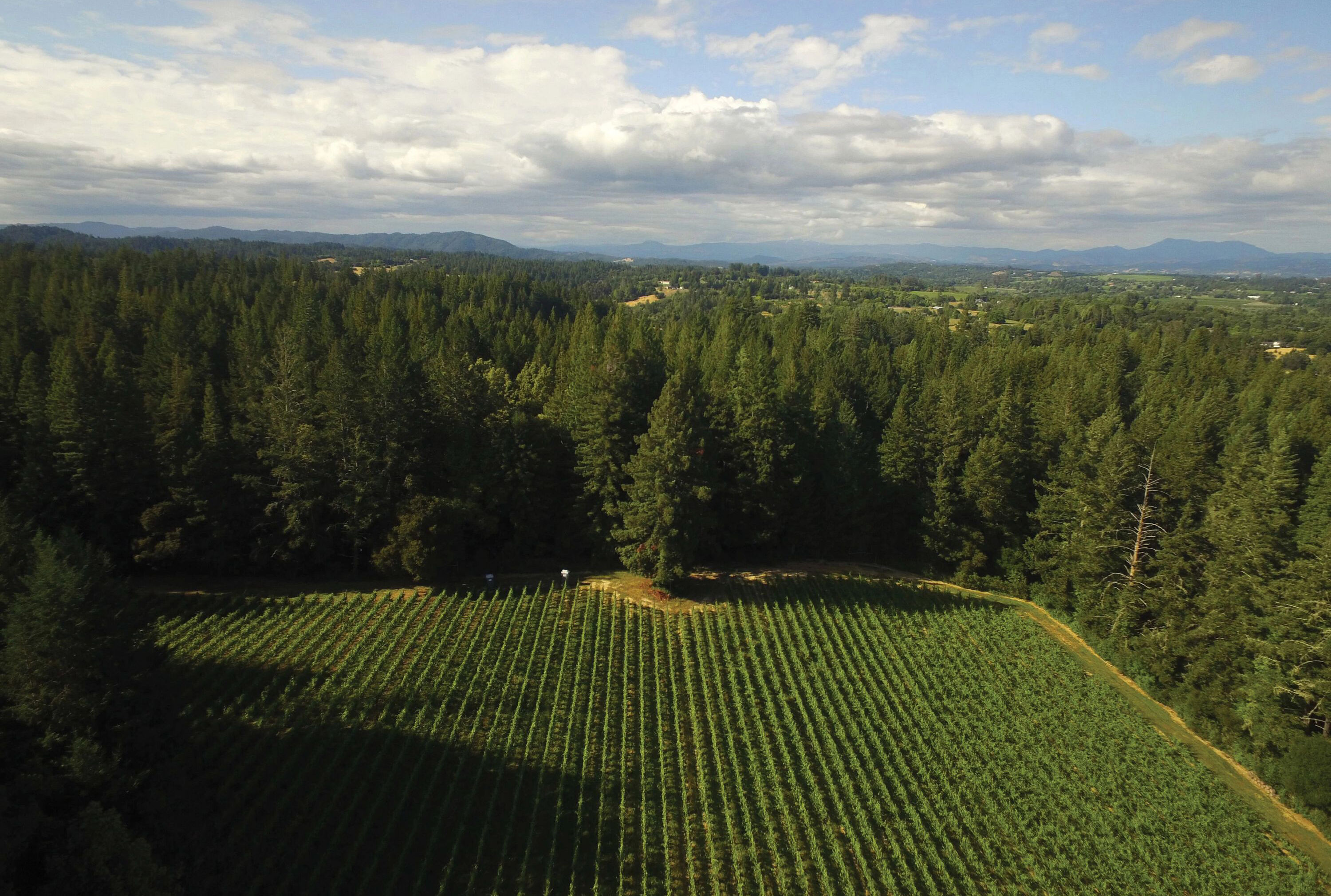

At Hartford Family Winery, our legacy is firmly rooted in the land that inspires us.
We’ve dedicated ourselves to sustainable practices that enhance soil health and biodiversity, while preserving natural habitats. These practices ensure the long-term health of our lands, yield the highest quality grapes, and help reveal the distinct character of each vineyard site through the wines that we craft.
Sustainable
Land Practices
Family Vision
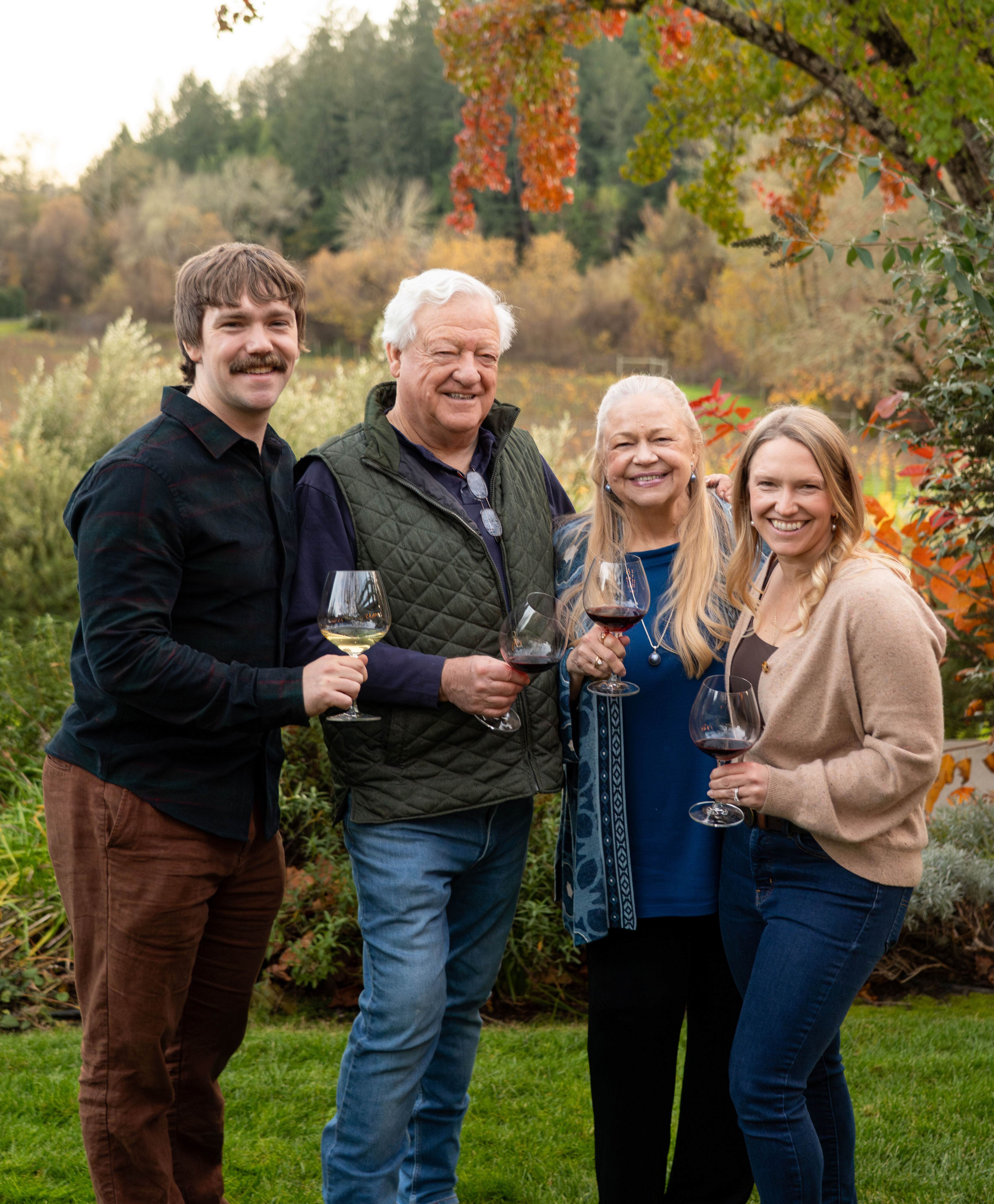
Our family believes quality winegrowing and care for the land must go hand in hand. This commitment to environmental responsibility shapes every decision we make in both our vineyards and winery.
Through our sustainable and regenerative farming practices, water conservation efforts, commitment to renewable energy and stewardship of our lands, we strive to be a conscientious member of our global community and protect our natural resources and wildlife habitats for generations to come.
Certified Sustainable
All our estate vineyards are certified sustainable through the California Sustainable Winegrowing Alliance (CSWA) and Sustainability in Practice (SIP) programs. This means we adhere to rigorous, annual third-party standards covering more than 200+ best practices, from water and energy efficiency to pest management, biodiversity, and employee policies.
We also employ regenerative farming practices such as livestock integration, cover crop management, composting, and the use of organic-based herbicides to enhance soil and vine health.

Land Stewardship
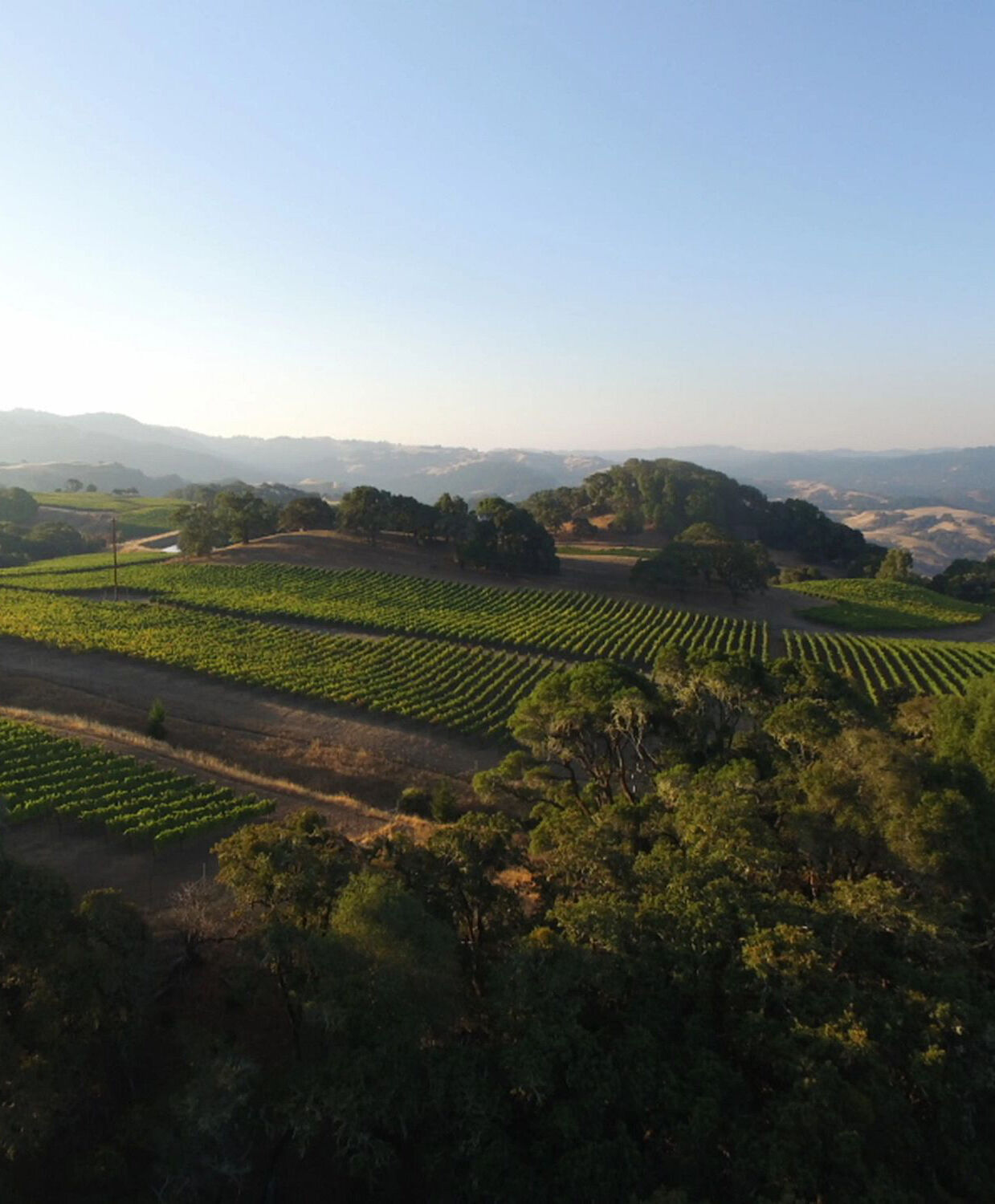
65% of the land at Hartford is comprised of natural habitat, from redwood forests to salmon-spawning creeks. These healthy native ecosystems are our legacy to maintain for the future.
Solar Efficiency
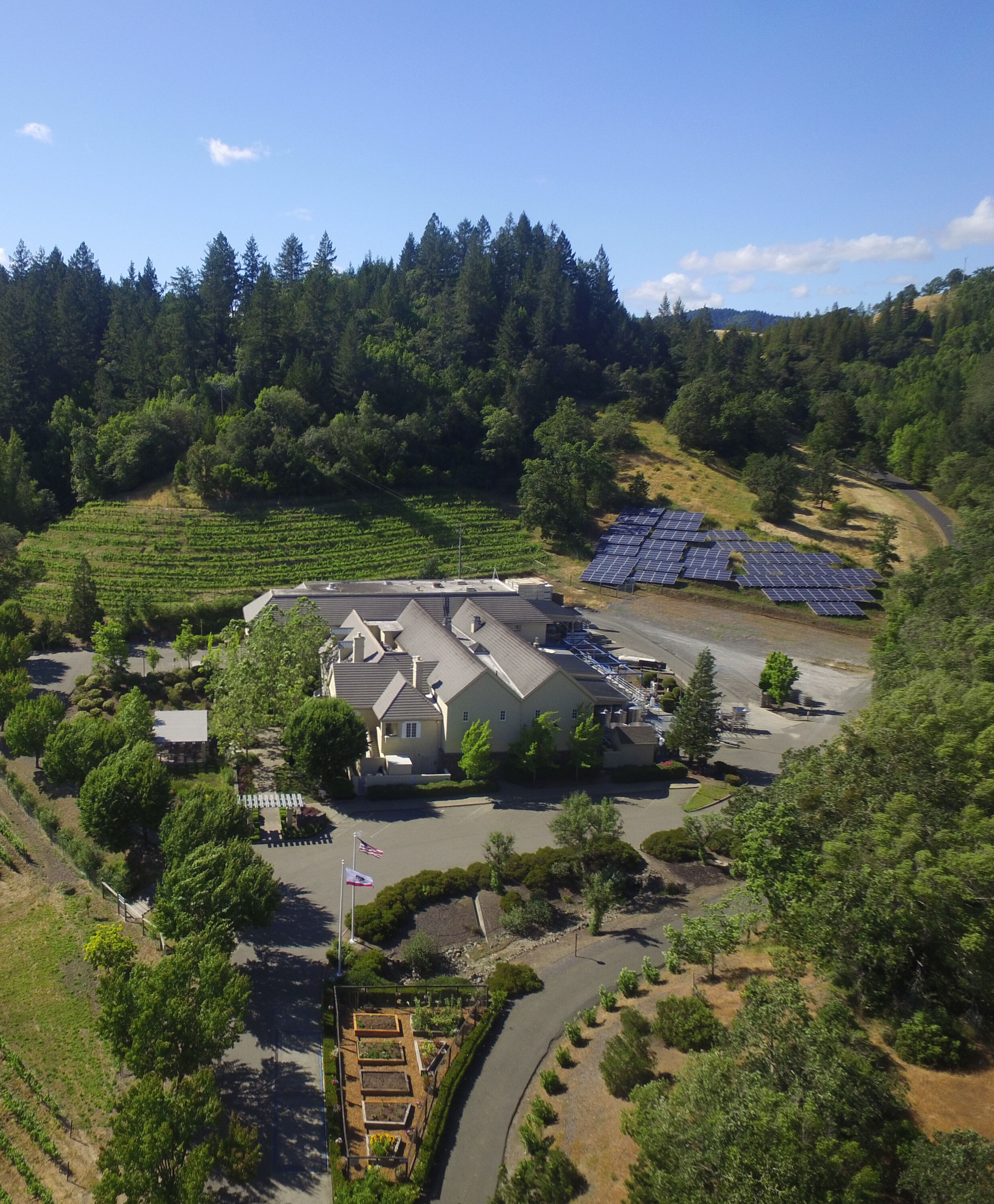
Solar panels produce over 300 MWh annually, offsetting close to 50% of our winemaking and operational electricity use.
Last year, winery electricity was offset by 45% by solar, but this is probably close enough.
Water Management
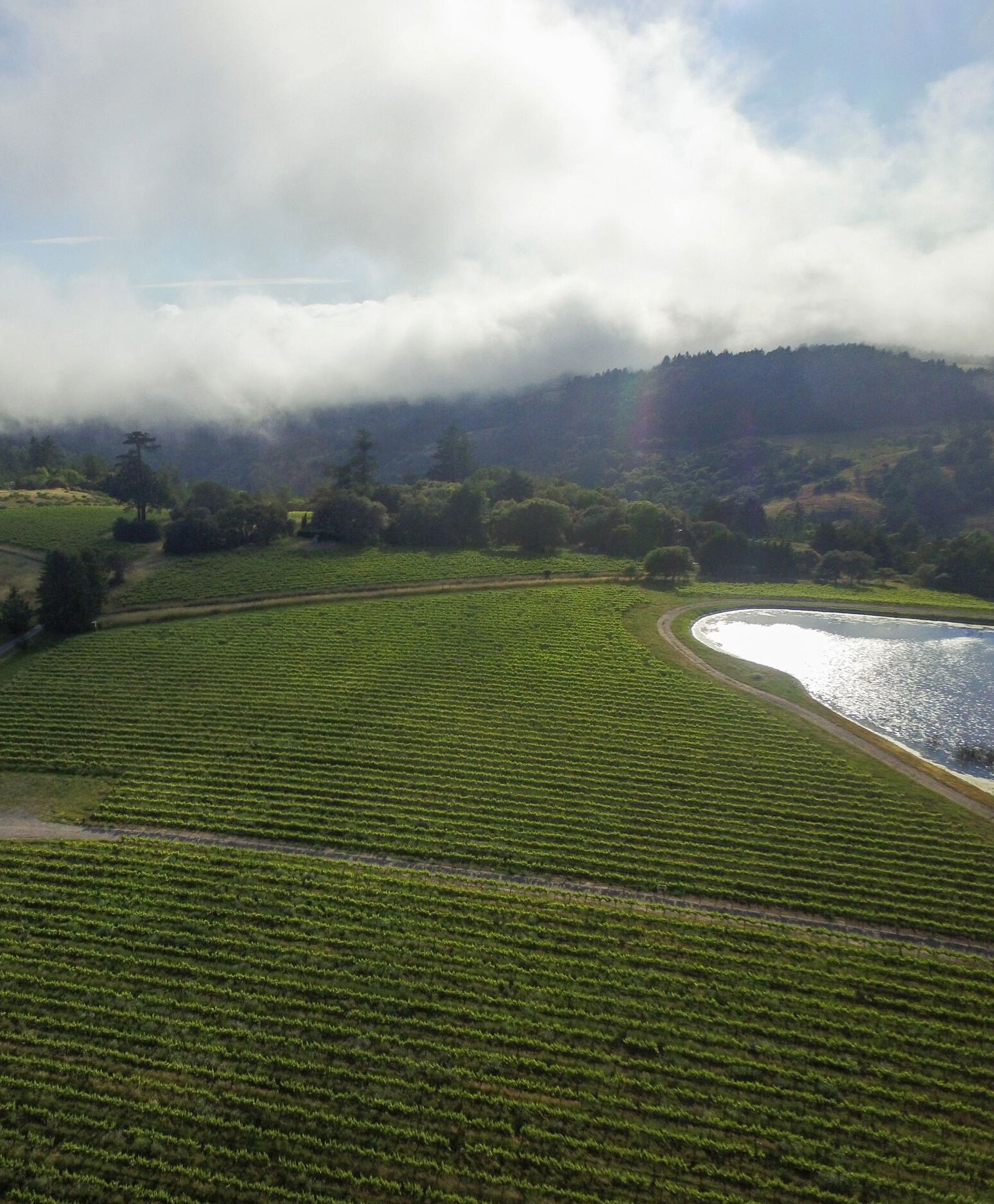
For decades, we have focused on increasing water efficiency and watershed management to protect salmon-spawning within the Green Valley Creek, which runs through our estate. Our water conservation efforts extend to the winery operations as well. We were the first winery to pilot an innovative barrel washer that recycles water up to 3 times This system is now utilized by numerous wineries throughout Sonoma County.
All these efforts have helped decrease our water use by over 709% since 2008, resulting in over 3.7 million gallons of water saved. That’s the equivalent of filling more than 5 Olympic sized swimming pools.
Farming for
Quality
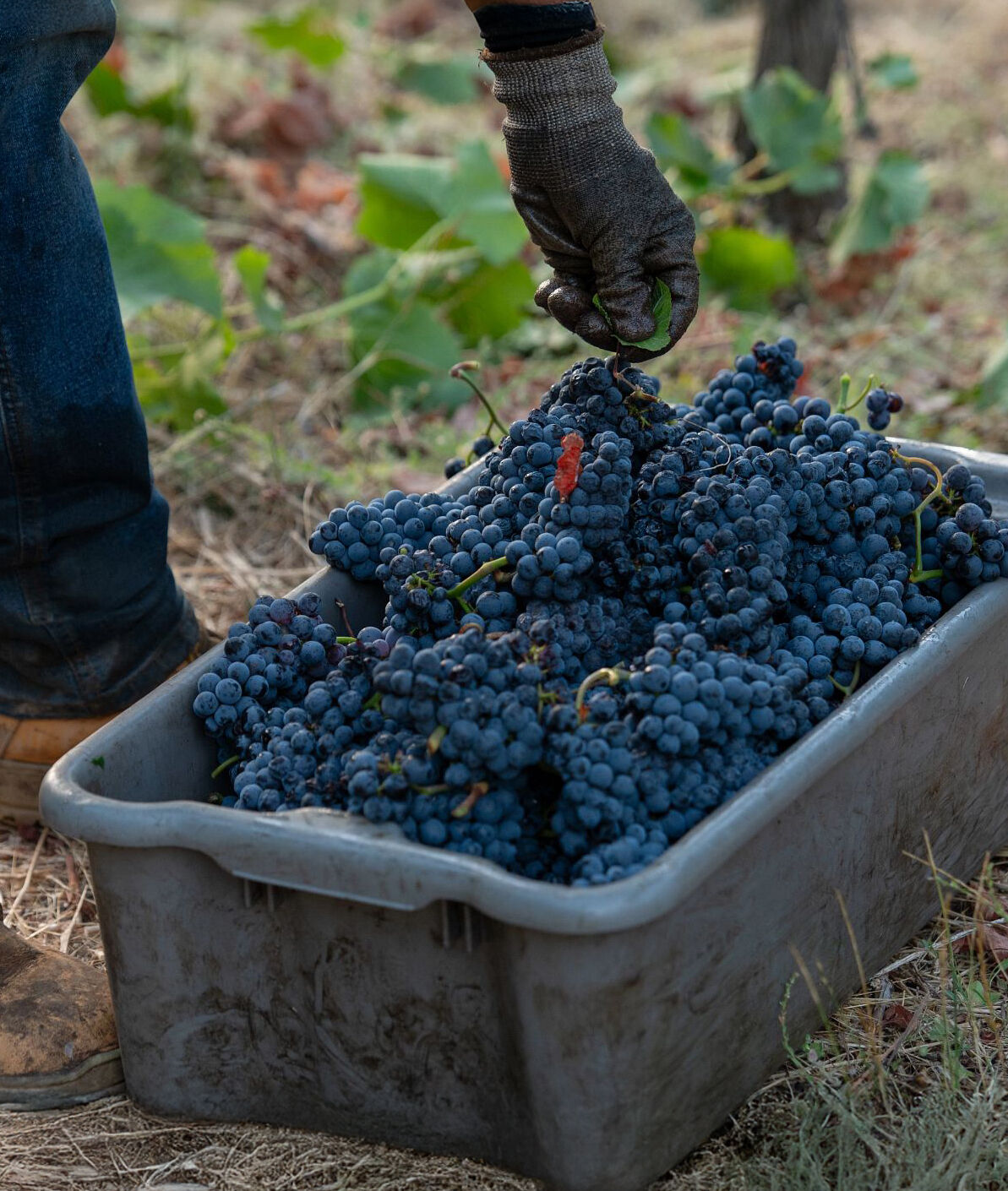
We carefully select the most interesting, expressive vineyard sites available to make our wines. And every decision — from budbreak to bottling — is made to amplify the character of the grapes, and that shines through in the finished wine.
Our Production
Practices
Regenerative farming practices such as compost, cover crops, and conservation tillage are employed in the vineyards to maximize soil health and ensure the wines fully express the flavor characterized by each unique vineyard site.

Soil
We employ sustainable and regenerative farming practices—including composting, cover crop management, conservation tillage, livestock integration, and organic-based herbicides—to maximize the health of our soil and vines. Based on in-depth soil analyses, we have mapped our vineyards into small blocks to tailor farming practices and rootstock/clonal selections to specific environmental conditions. Our goal is to allow each individual block to express its most distinctive character.
Less is More
We believe that limited intervention promotes the expression of distinctive vineyard personality and adds to our belief in sustainable farming. For example, nesting boxes give protection to owls and raptors that provide natural pest management in the vineyards.

Low Yields
We believe low yields generally produce more intense concentrated flavors and textures. Our vineyards typically yield from as little as .75 tons per acre to 3 tons per acre.
Winemaking